Three key steps: a blood draw from you, centrifugation to concentrate healing factors, and personalized, preservative-free drops.
The drops are made from your own blood. Since it's your biological material, your body does not reject it and there is no risk of allergy to the components.
Your blood contains natural messengers (PDGF, EGF, NGF) that instruct your cells to repair themselves. The centrifuge concentrates them and transforms them into drops.
The drops contain no preservatives. They are stored in the freezer, and a thawed vial lasts 3 days at room temperature.
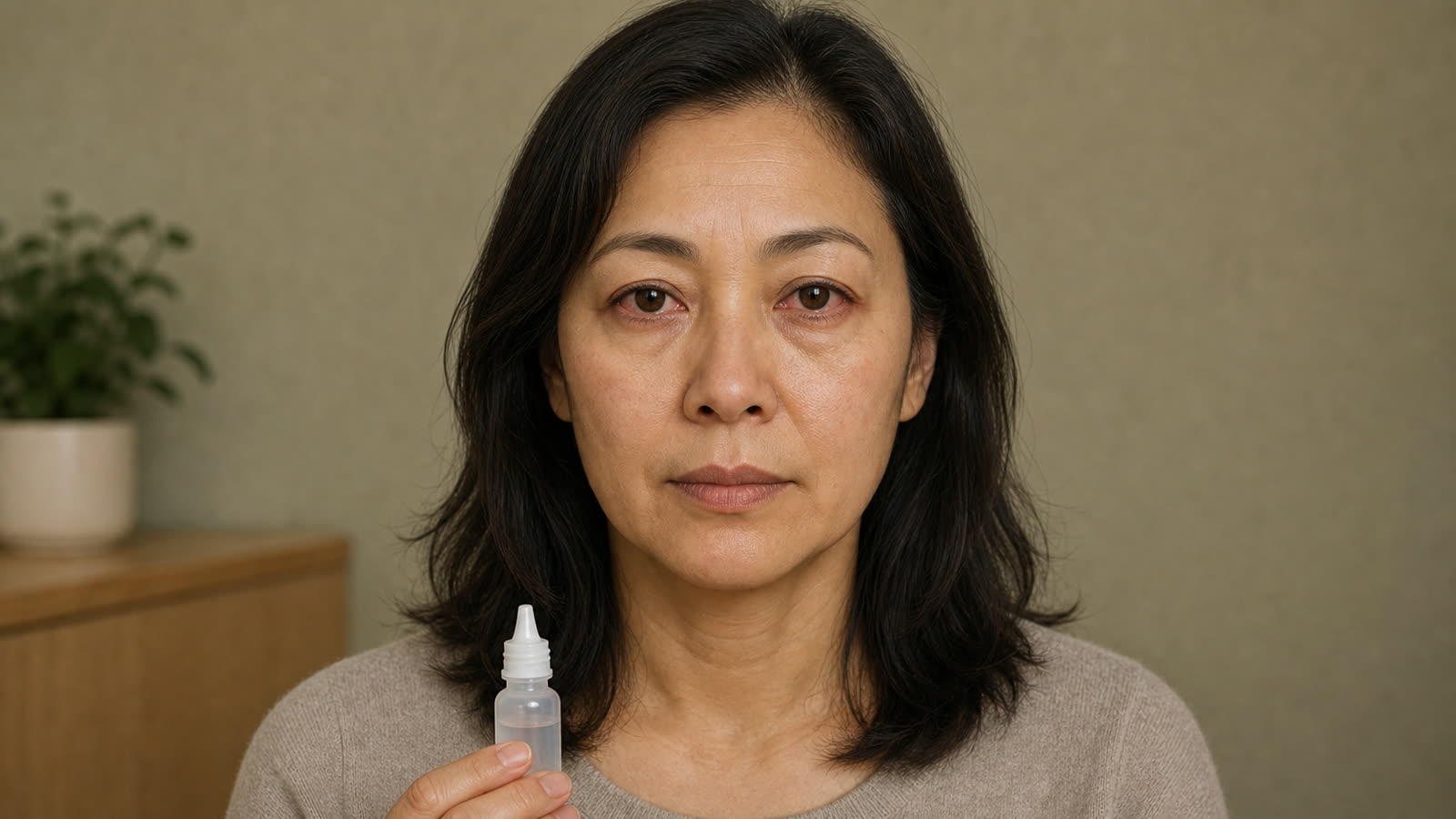


There are several clinical situations where the ocular surface needs regenerative support beyond what commercial drops can offer. Your optometrist will determine if this applies to you.
Severe dry eye that no longer responds to lubricating drops or standard treatments.
Sjögren’s syndrome with dry eye resistant to artificial tears and anti-inflammatory drops.
Corneal wound or recurrent erosion that does not heal with standard drops.
Fragile cornea with reduced corneal nerves (neurotrophic keratopathy), often after surgery or herpes.
Persistent dryness after LASIK with pain or blurred vision that does not improve.
Certain conditions can make blood draws or plasma preparation unsuitable. Our clinical nurse will always review your blood profile before your first session.
Severe anemia, clotting disorder, or low platelets making blood tests risky.
Active blood infection — such as HIV, untreated hepatitis B or C, or untreated syphilis.
Active infection of the cornea or eyelids — must be treated before considering PRGF.
Anticoagulant or antiplatelet medication — to be coordinated with your physician before the blood test.
Ongoing chemotherapy or severe immunosuppression that reduces plasma quality.
A two-step visit: quick blood draw, followed by a later pick-up for your prepared drops.
The optometrist examines the surface of the eye and the tear film, and verifies that PRGF is the appropriate approach. The nurse verifies that the blood draw is safe.
The nurse takes a blood sample from the bend of the elbow. The blood is placed in the centrifuge for preparation — 3 to 4 hours. You may leave the clinic during this time.
You return later in the day to pick up your batch of vials. Freezer storage, application 4 times a day. A thawed vial lasts 3 days at room temperature.
THE CARE EXPERIENCE
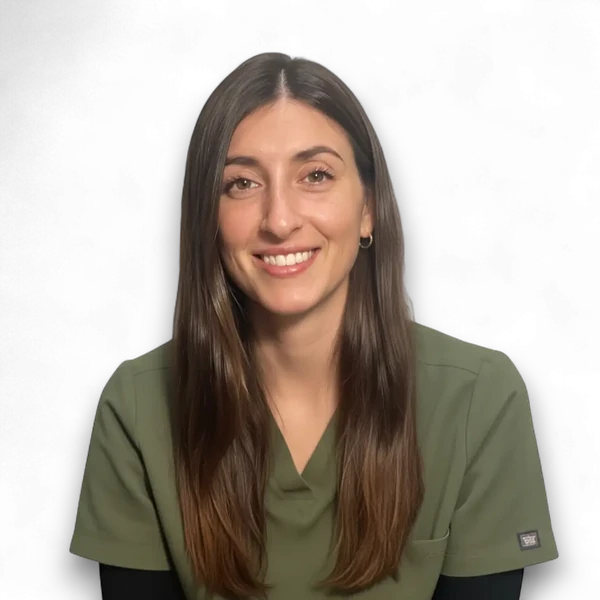
A registered nurse trained in pediatrics at Sainte-Justine Hospital, Karine Charbonneau later specialized in the dry eye clinic. Recognized by her patients for her gentleness, patience, and attentiveness, she supports each individual with precision and care, from the first appointment to long-term follow-up.
.jpg)
With an approach that combines Softness, Transparency and Great Meticulousness, Carolane ensures that each patient immediately feels confident and safe.
Its objective is simple: to make your care experience as comfortable as it is effective.
With a rich nursing experience that began in 2014, Carolane has enriched her expertise with a background in Medical Aesthetic Treatments To offer you the most recent protocols.
Passionate about improving the quality of life, she is entirely dedicated to supporting you with listening and professionalism throughout your career at the CARE clinic.

An optometrist and founder of the CARE Clinic, Dr. Francesca Olinga understands dry eye because she has experienced it. Experienced in the management of complex cases (neuropathic pain, demodex, chalazions), she uses innovation and attentive listening to guide you toward improved eye comfort.
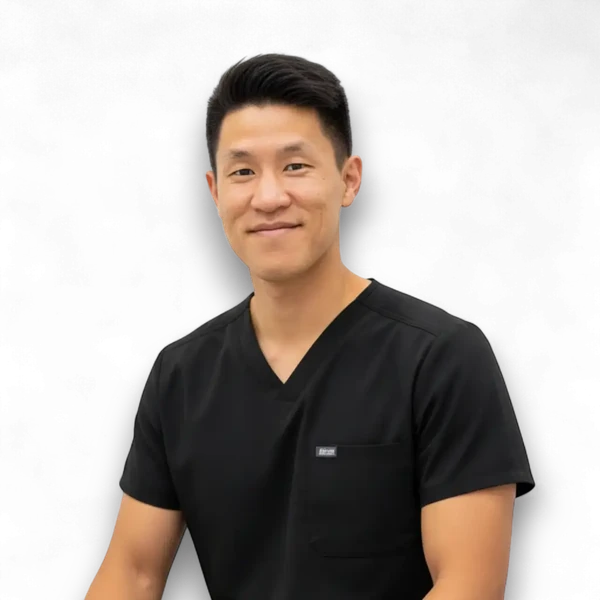
An optometrist and member of theOOQ, Dr. Daniel Nguyen splits his practice between eye exams in an optometry clinic and advanced management of dry eye conditions at the CARE Clinic. This dual practice provides him with a comprehensive view of his patients' visual health, from routine screenings to cutting-edge therapeutic protocols. dry eye Biography of Karine Charbonneau
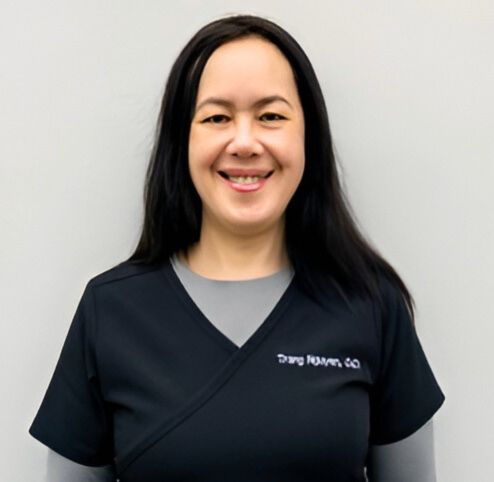
Optometrist with over 30 years of experience and speaker for eye care professionals. Dr. Nguyen has experience in improving visual quality affected by dry eye. She supports her patients in reconciling their aesthetic goals (makeup, cosmetics) and optimal eye comfort.